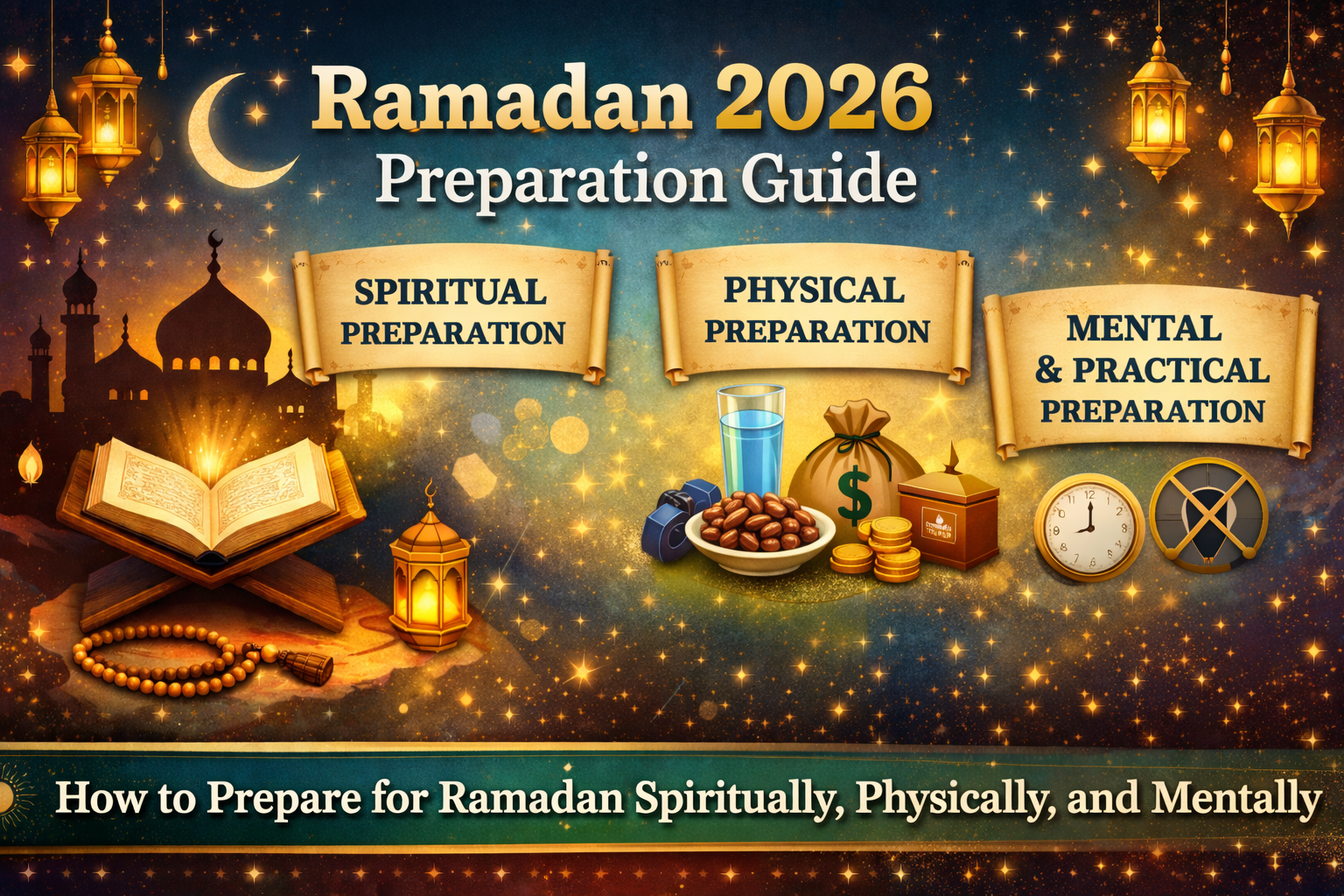
Ramadan المبارک is a blessed month in which the reward for acts of worship and good deeds is multiplied many times. To gain the maximum benefit from this sacred month, Muslims should prepare in advance so that they can ready themselves physically, spiritually, and mentally for Ramadan.
Ramzan_2025
1. Spiritual Preparation
Repentance and seeking forgiveness: Before Ramadan, seek forgiveness for your sins and make a firm intention to adopt the path of righteousness in the future.
Strengthen your connection with the Qur’an: To recite the Qur’an as much as possible in Ramadan, begin the habit of daily Qur’an recitation from now.
Regularity in prayer: If there is laziness in performing prayers, remove it now and make the five daily prayers firm in your routine.
Practice voluntary worship: To prepare yourself for Qiyam-ul-Layl (Tarawih) in Ramadan, develop the habit of offering Tahajjud and voluntary prayers during the month of Sha‘ban.
Habit of remembrance and supplication: Increase in adhkar, prescribed supplications, sending blessings upon the Prophet, and other forms of worship.
2. Physical Preparation
Practice fasting: To make Ramadan fasting easier, observe voluntary fasts in Sha‘ban, especially on the 13th, 14th, and 15th days, and fasting on Mondays and Thursdays, which is recommended.
Adopt balanced eating habits: Instead of eating excessively oily and spicy foods, adopt foods that provide energy to the body during fasting.
Set a routine for suhoor and iftar: Organize your sleep and meal timings so that the sudden change in Ramadan does not become difficult.
Reduce coffee and tea intake: So that you do not experience headaches and weakness due to caffeine withdrawal while fasting.
3. Financial Preparation
Payment of Zakat: If Zakat is obligatory, plan its payment so that greater blessings can be gained during Ramadan.
Habit of charity: Since the reward for good deeds increases up to seventy times in Ramadan, develop the habit of giving charity from now.
Help the needy: Prepare a list of deserving individuals who can be helped during Ramadan, such as orphans, widows, the poor, and needy families.
4. Mental and Practical Preparation
Time management: Arrange your daily activities from now so that time can be allocated for worship and religious activities during Ramadan.
Reduce unnecessary activities: Limit television, social media, and other unnecessary engagements so full attention can be given to worship in Ramadan.
Set Ramadan goals: Decide in advance how many times you will complete the Qur’an, which supplications you will memorize, and which acts of worship you will perform.
5. Household Preparation
Create a Ramadan atmosphere: Establish a spiritual environment at home related to Ramadan, such as the sound of Qur’an recitation, reading religious books, and teaching children the importance of Ramadan.
Arrange necessary supplies: To avoid unnecessary market visits during Ramadan, purchase and store groceries, dates, and other essentials in advance.
Iftar arrangements: Adopt the practice of simple and healthy iftar and avoid unnecessary extravagance.
6. Social and Moral Preparation
Maintaining relationships: If there is resentment or conflict with anyone before Ramadan, resolve it, seek forgiveness, and improve relationships.
Gentleness in speech and behavior: To avoid anger and harsh speech in Ramadan, begin cultivating gentleness and patience in your speech from now.
Organize collective worship: If possible, arrange collective recitation, remembrance, or Qur’an study sessions at home or in the neighborhood.
In conclusion,
To welcome Ramadan in the best manner, we should begin planning from now regarding worship, health, finances, time, and relationships. A person who prepares in advance can fully benefit from the blessings of Ramadan and use this sacred month to earn as many good deeds as possible.